What a Complete Pre-Purchase Home Inspection Should Cover
Structural Integrity and Foundations
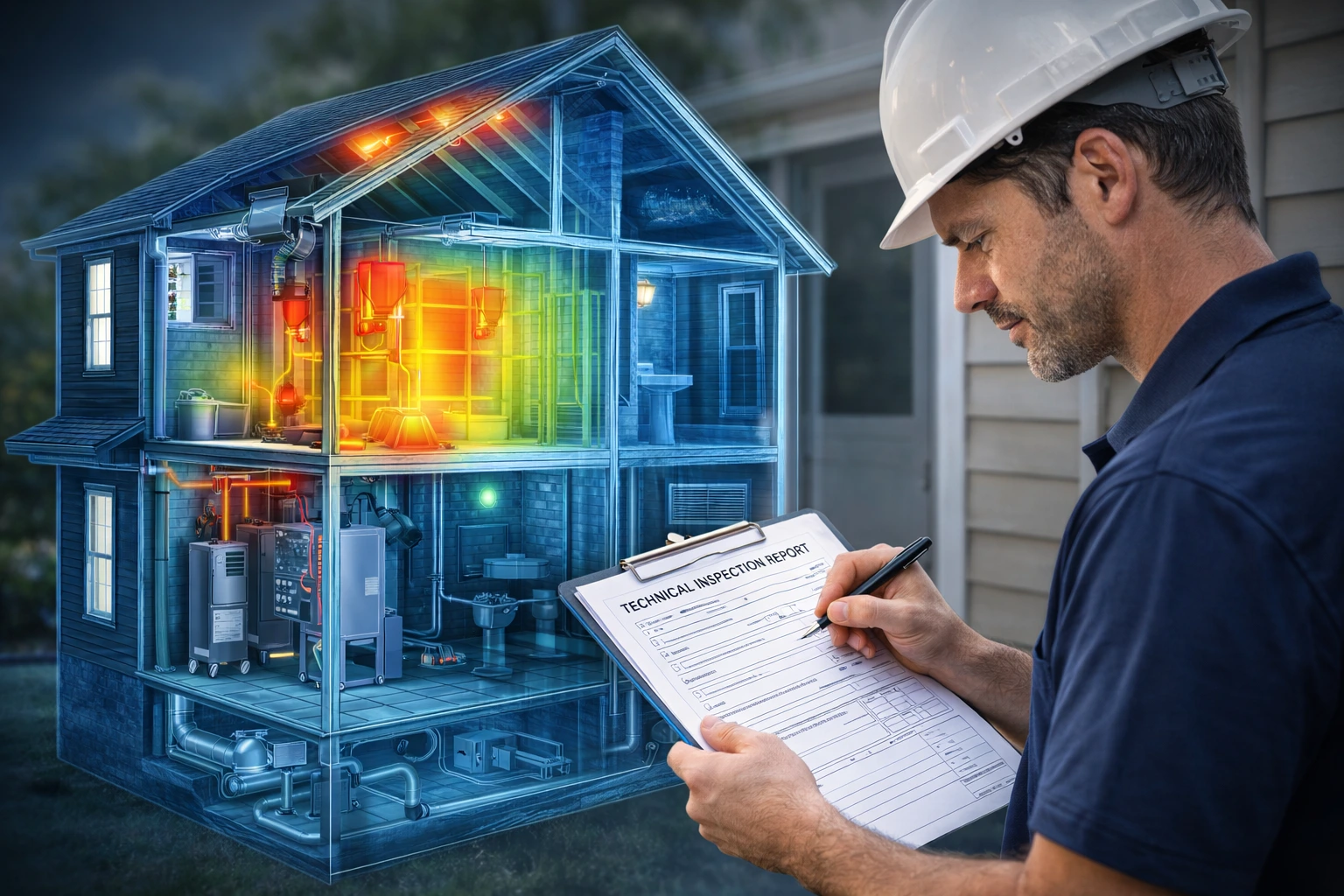
The structural system is the most critical component of any building. During a home inspection, specialists assess whether the structure has been executed correctly and whether it shows signs of distress or long-term vulnerability.
Key aspects typically evaluated include:
- Foundations and footings, looking for cracks, settlement, or uneven movement
- Load-bearing walls, columns, and beams
- Floor levels and signs of structural deformation
- Connections between structural elements
Structural issues are often difficult and expensive to correct once a purchase is finalized, making early detection essential.
Roof, Attic, and Building Envelope
The roof and exterior envelope protect the house from weather exposure and moisture. A complete inspection reviews:
- Roofing materials and overall condition
- Flashings, penetrations, and roof edges
- Signs of water infiltration or past repairs
- Attic insulation and ventilation
- Exterior walls, façades, and visible structural cracks
Failures in these areas can lead to water damage, mold growth, and reduced energy efficiency.
Plumbing Systems
Plumbing problems may not always be visible but can cause significant damage over time. Inspectors typically examine:
- Water supply systems and pipe materials
- Drainage and sewage connections
- Water pressure and flow consistency
- Leaks, corrosion, or improper installations
- Sanitary fixtures and their functionality
Identifying deficiencies early helps prevent future disruptions and costly repairs.
Electrical Installations
Electrical safety is a key concern in both new and older homes. A proper inspection includes:
- Main electrical panel and circuit protection
- Wiring types and condition
- Grounding and bonding systems
- Outlets, switches, and lighting fixtures
- Signs of overloaded circuits or unsafe modifications
Electrical non-compliance can represent a serious safety risk if left unaddressed.
Heating, Ventilation, and Air Conditioning (HVAC)
Heating and cooling systems directly affect comfort and operating costs. Inspectors assess:
- Age and condition of heating and cooling equipment
- Distribution systems such as radiators, ducts, or underfloor heating
- Ventilation effectiveness and air circulation
- Thermostat operation and system controls
- Maintenance indicators and overall efficiency
Inefficient or poorly maintained systems can significantly increase energy expenses.
Moisture, Water Infiltration, and Mold Risk
Moisture is one of the most common hidden problems in residential buildings. A home inspection looks for:
- Water intrusion in basements, crawlspaces, and wet areas
- Dampness around windows, doors, and balconies
- Inadequate drainage or grading around the house
- Signs of mold, condensation, or long-term humidity issues
Unchecked moisture can affect both structural integrity and indoor air quality.
Insulation and Energy Performance
Energy efficiency has a direct impact on long-term costs and comfort. Inspectors typically evaluate:
- Thermal insulation in walls, roofs, and floors
- Air leaks around openings
- Window and door performance
- Thermal bridges and heat loss areas
Understanding a home’s energy behavior allows buyers to anticipate future improvements or expenses.
Safety and Environmental Considerations
A comprehensive inspection also addresses occupant safety by checking:
- Smoke and carbon monoxide detectors
- Stairways, railings, and fall-prevention elements
- Potential environmental hazards, depending on building age and location
- Compliance with basic safety requirements
These checks help ensure that the property meets fundamental safety standards.
Interior Elements and Visible Finishes
While finishes are often cosmetic, they can reveal deeper issues. Inspectors review:
- Walls and ceilings for cracks or deformation
- Floors for unevenness or damage
- Doors and windows for proper operation
- Signs of previous repairs that may conceal defects
Visual details often provide clues about construction quality and maintenance history.
Conclusion
A pre-purchase home inspection is not a formality but a critical step in the buying process. It provides buyers with factual, technical insight into a property’s real condition, helping them avoid unexpected costs and make informed decisions.
By understanding what a complete inspection should cover, buyers gain clarity, confidence, and long-term security before purchasing a home.
Editorial Note
This article is intended for informational purposes and reflects commonly accepted professional practices in residential property inspections.